Joe Beardsmore and Jonny Gaskell Power David Gray USA Tour with ChamSys
NEW YORK – “The greater the contrast, the greater the potential energy,” the eminent Swiss thinker Carl Jung once observed. Jung wasn’t alluding to lighting design when he made this observation; his interest was the study of human emotions, but anyone who has ever played off light and shadows against each other on a stage can appreciate the wisdom of his words.
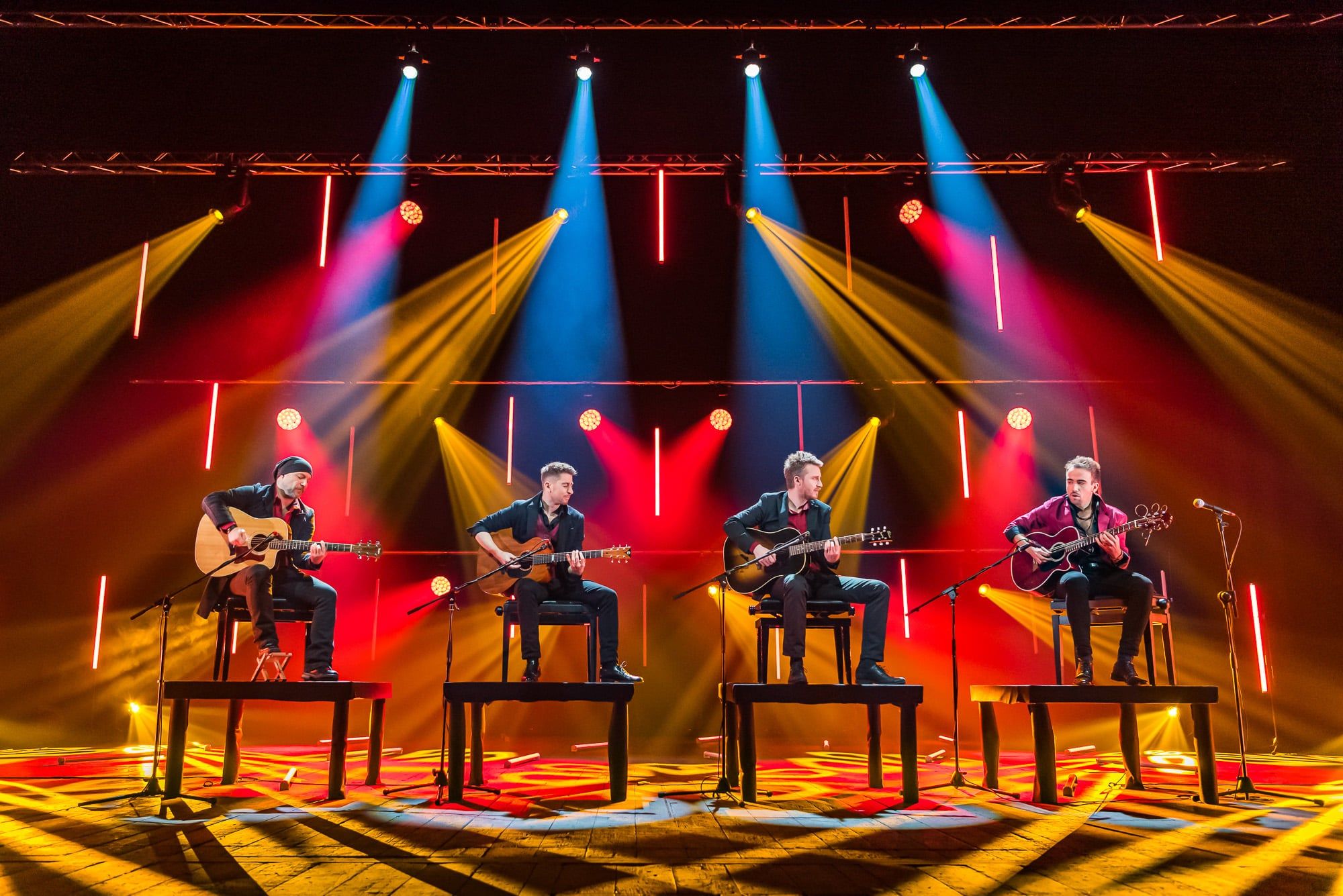
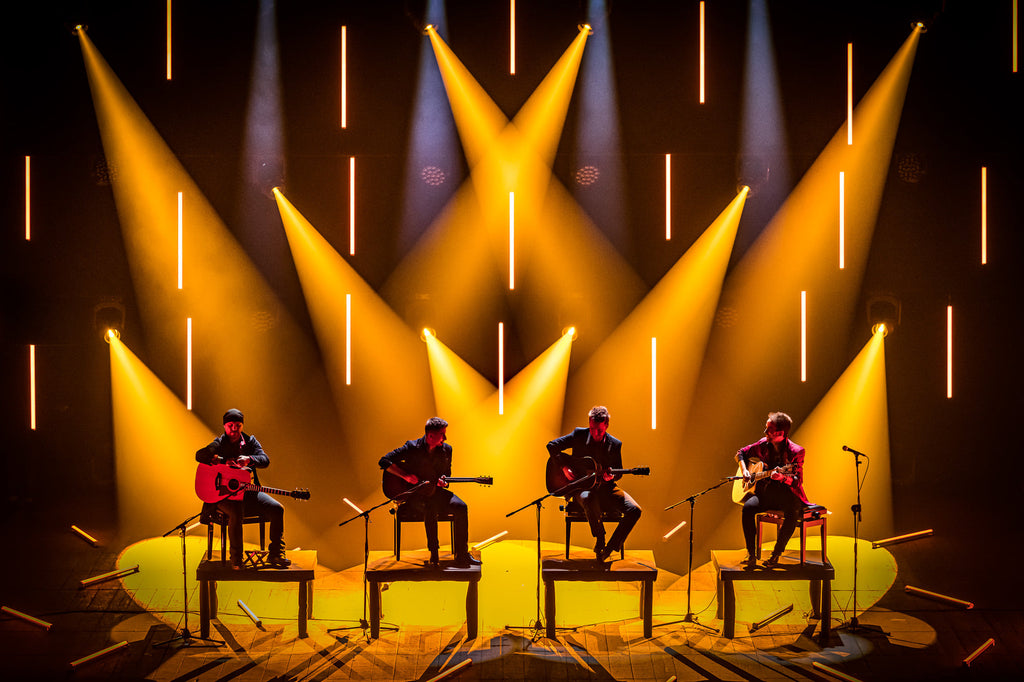
Joe Beardsmore and Jonny Gaskell channeled the immense power of contrasts when designing the light and video show for David Gray’s recently concluded USA leg of his 20th Anniversary White Ladder tour; only their distinctions involved more than brightness and darkness. It also was based on the difference between black-and-white looks and a full colour palette.
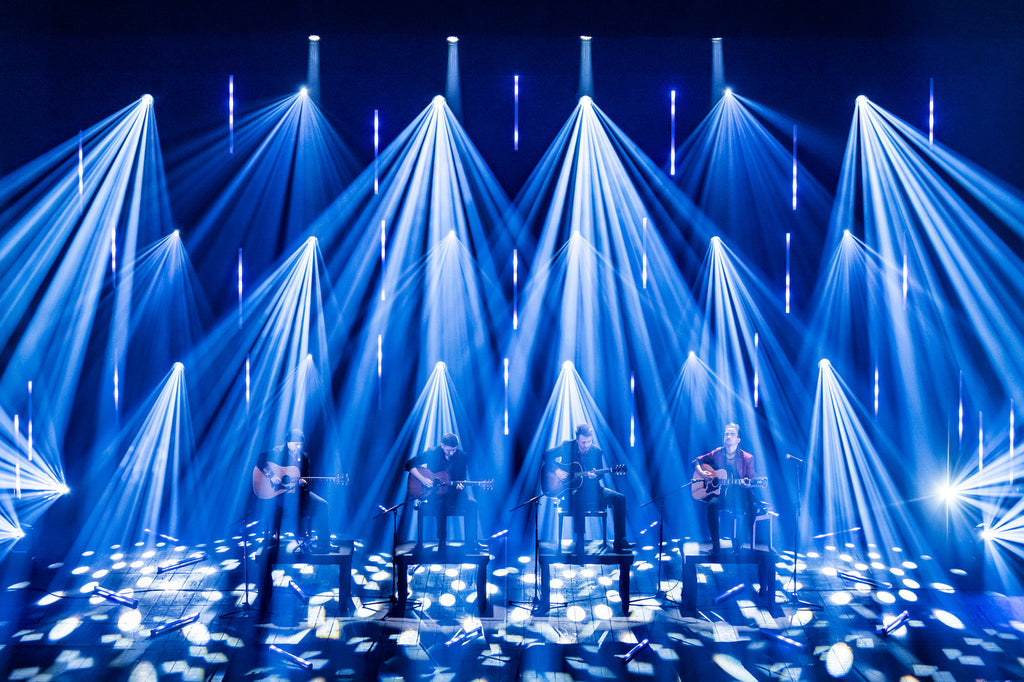
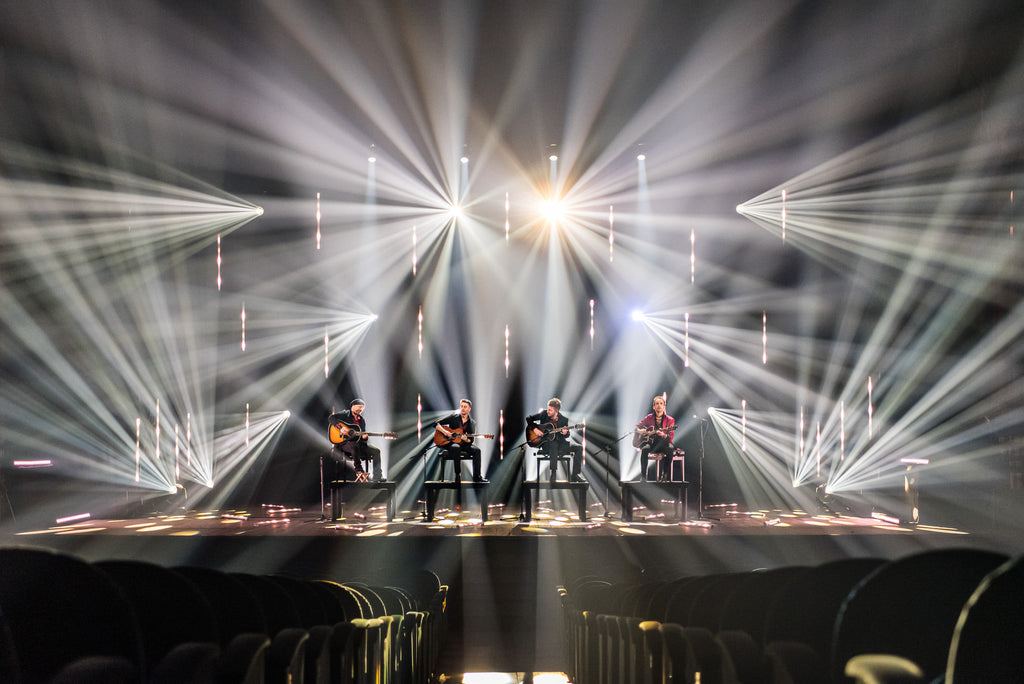
Divided into two distinct parts, their iconic client’s show was lit in “black and white shades of CTO cold whites and CTB” for one hour, as Gray performed back catalog hits; then, following an intermission, concluded with saturated coloured lighting as the star played his seminal seven-million sold album “White Ladder” in its entirety. (Gray even changed outfits to mirror this contrast, wearing a black suit at the start of the show and a white one in in its concluding section.)
“There were many different things we did to keep it interesting as we created this contrast, between black-and-white and colour,” said Beardsmore. “We relied on about eight different shades of white in the first parr of show, and wherever possible we also did black and white I-MAG. Then in the second part of the show, we had a total change of mood with our full colour palette. The emotional change this created was great. It was even more effective than Jonny and I thought it would be when we decided on that as a concept back in 2020.”
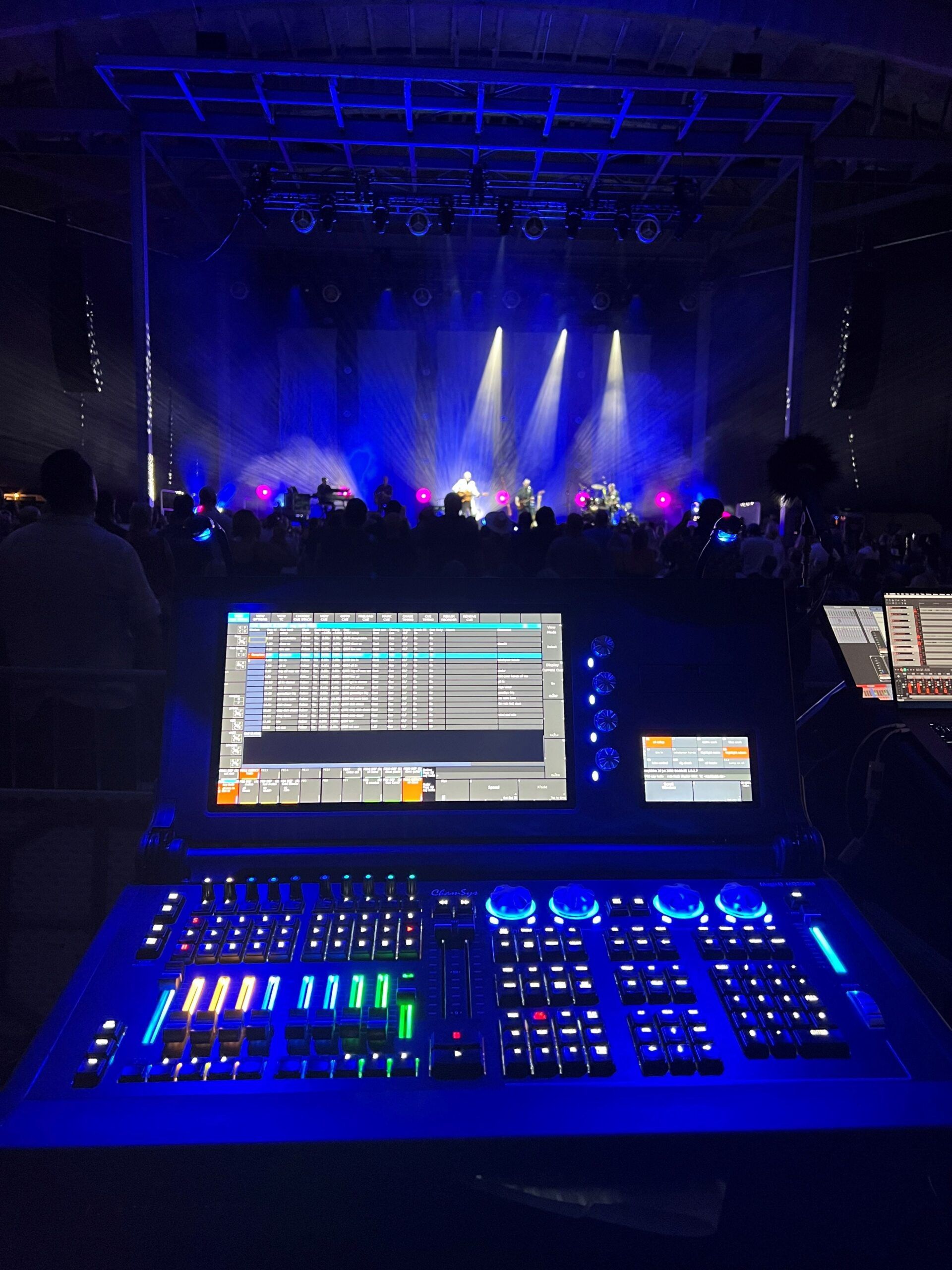
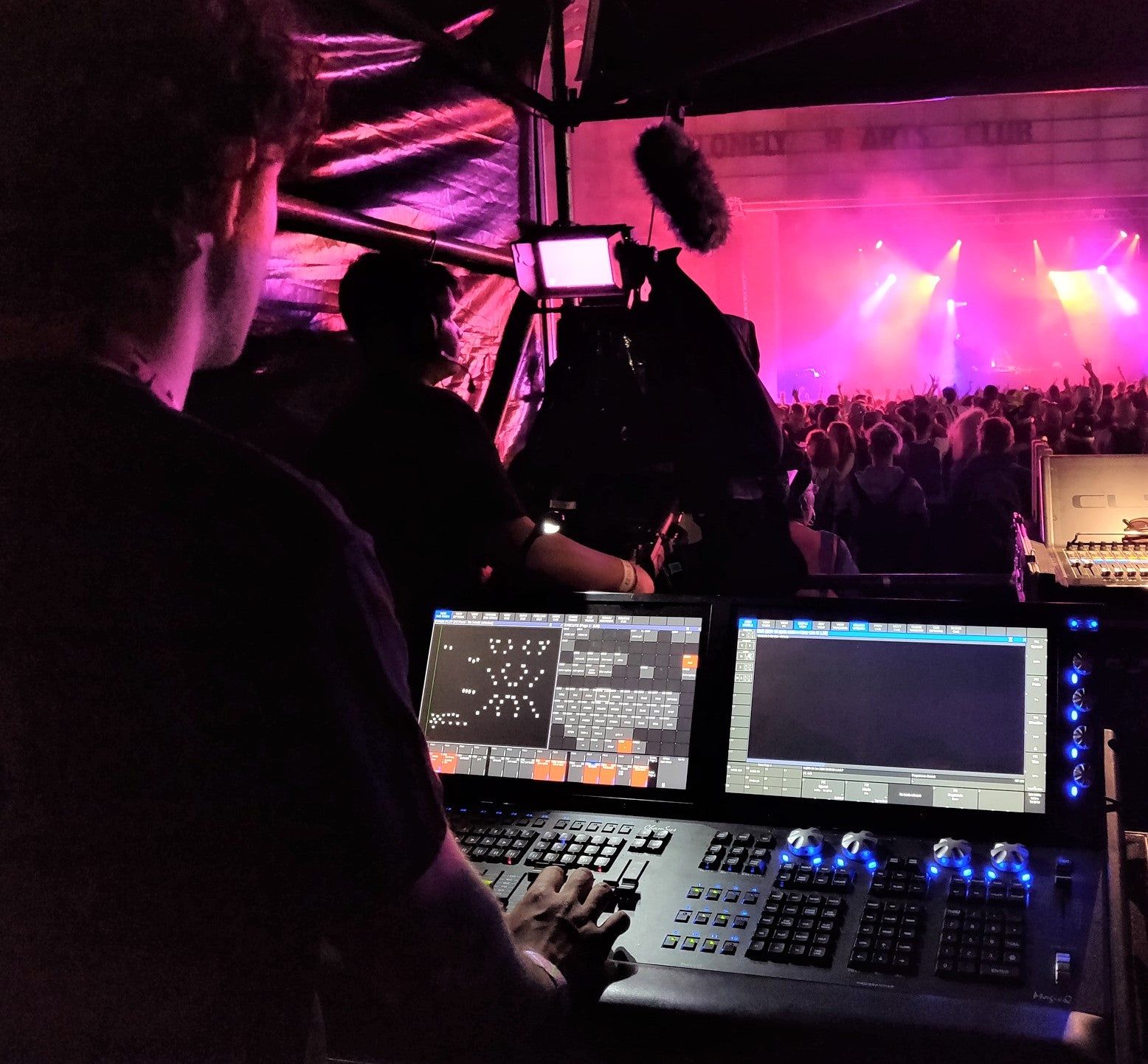
Helping Beardsmore, the owner of Phosphor Tech, bring this dramatic contrast to life was his ChamSys MagicQ MQ250M. “The banks of faders on this console are great,” he said. “I had overrides on Bank 2 and whenever I needed to busk anything, it was all there on defaults, which was great. Bank 3 had all my video clips stored so they were easy to find.
”I used overrides for a few things, such as in venues where I worried about the floor lights blinding the audience In those cases, I relied on the ability to swap the automated faders to group masters and limit the floor lights,” continued Beardsmore. “On the other side of the coin, on the few daylight shows we had, I ran the Group Masters at 200-percent to pull the subtle programming out of the show. For video, I also have the composition master on an override so I could blend that into house I-MAG feeds. I’m running four layers of Resolume triggers over ArtNet, and I have a separate bank on the 250 for the video and override faders to swap content and cameras, which all works very well.”
The dials on his ChamSys desk were another feature that came in handy on this tour, according to Beardsmore, who used them for all his bumps, timecode triggering and key lighting overrides. He notes that also used the Timeline Window for programming timecode songs, which made up about one third of the show.
Every morning before a show, Beardsmore’s tech team (Glen Claytor, crew chief; Kat Jensma, and Clint Morris) used a MagicQ MQ70 to test dimmers. Beardsmore checked the positions off the main desk on the Wi-Fi build into his MagicQ 250M console, and updated off the iPhone app, a process he says “worked great.” all I had, and it worked great.
Running his eight universe show on a rig supplied by Upstaging with artistic flair, Beardsmore created a dynamic flow of evocative looks during the roughly two-hour show that left the artists and his fans so energized that, as one critic observed, both looked like they could go for more.
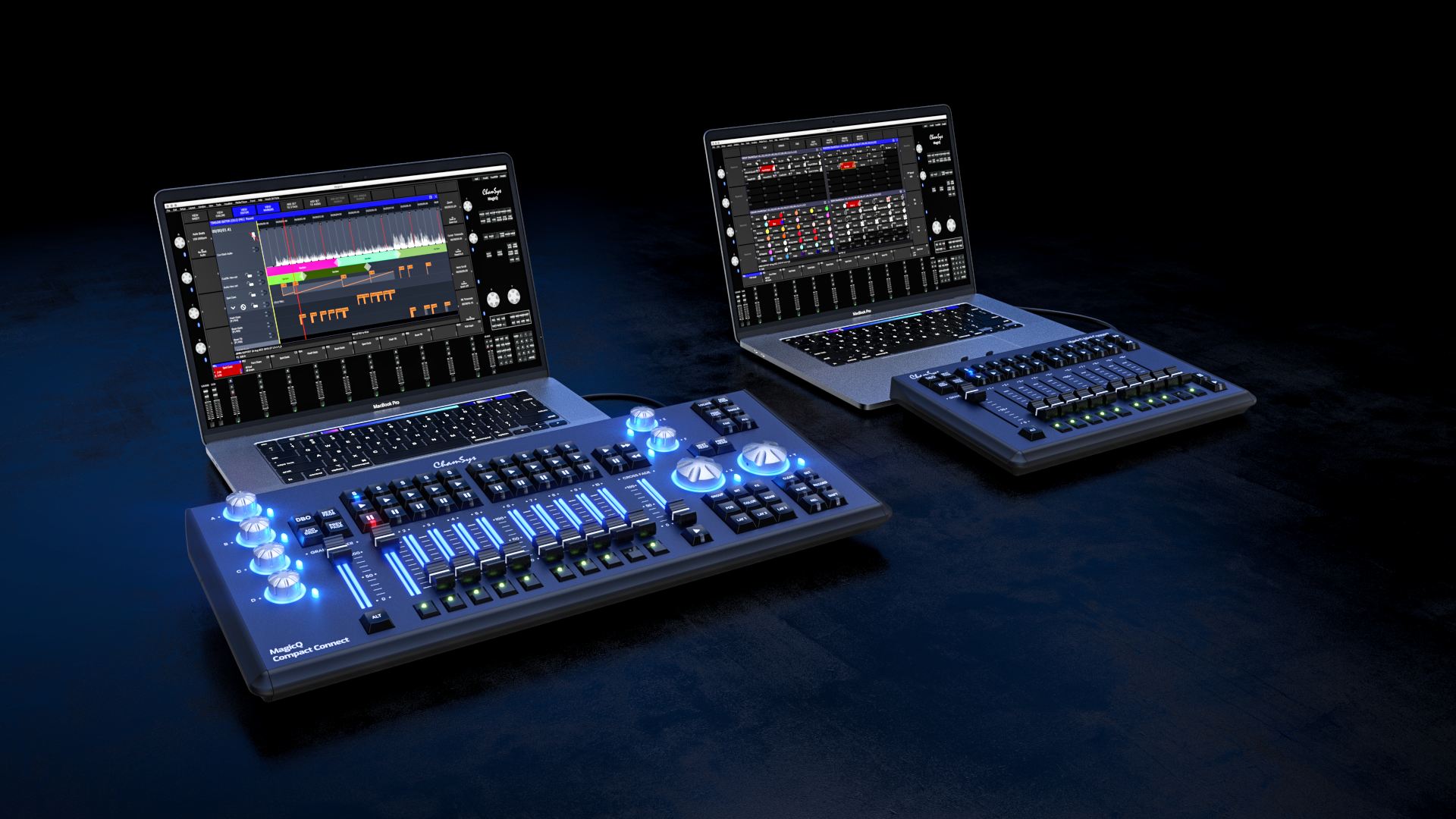
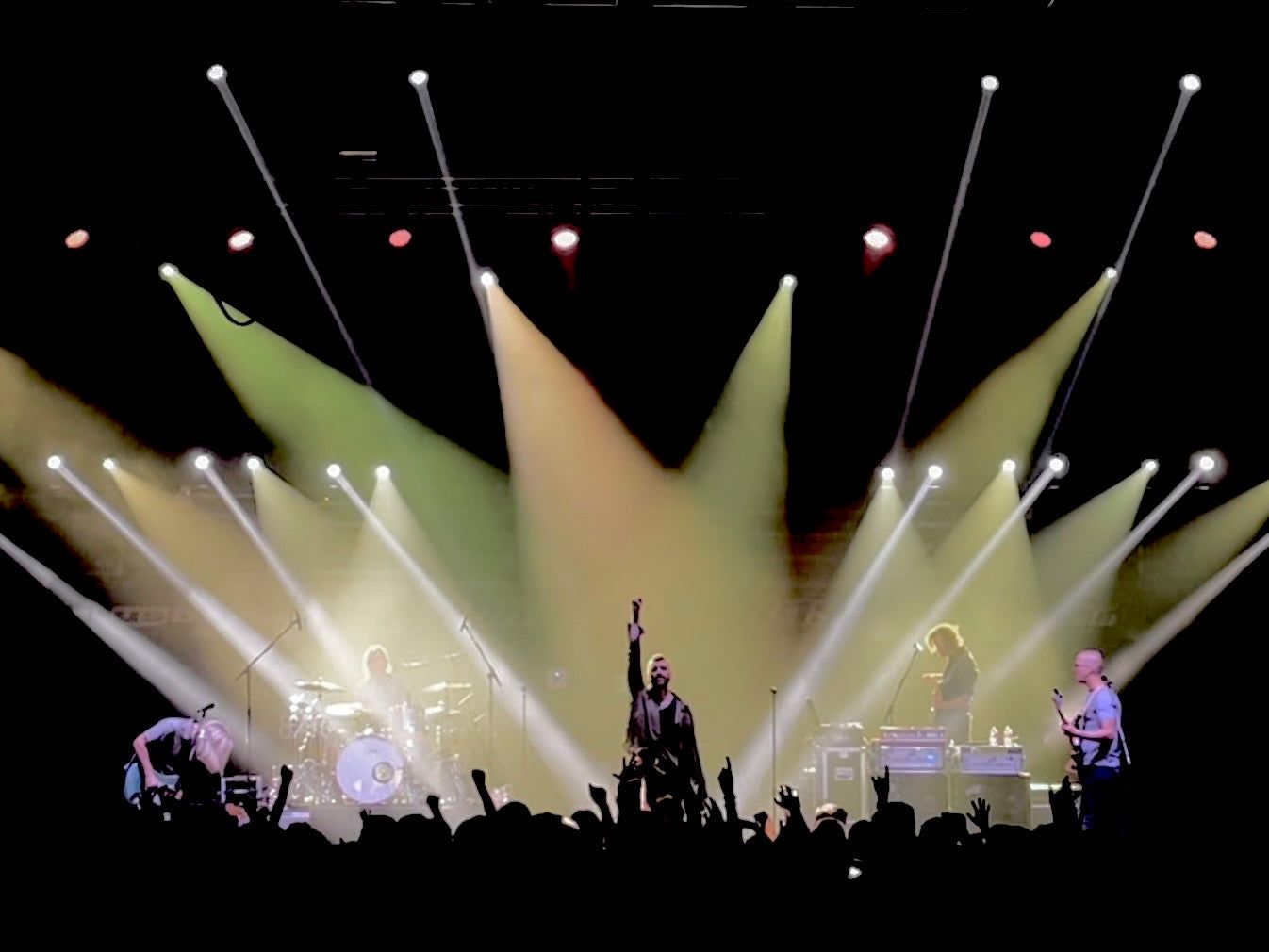
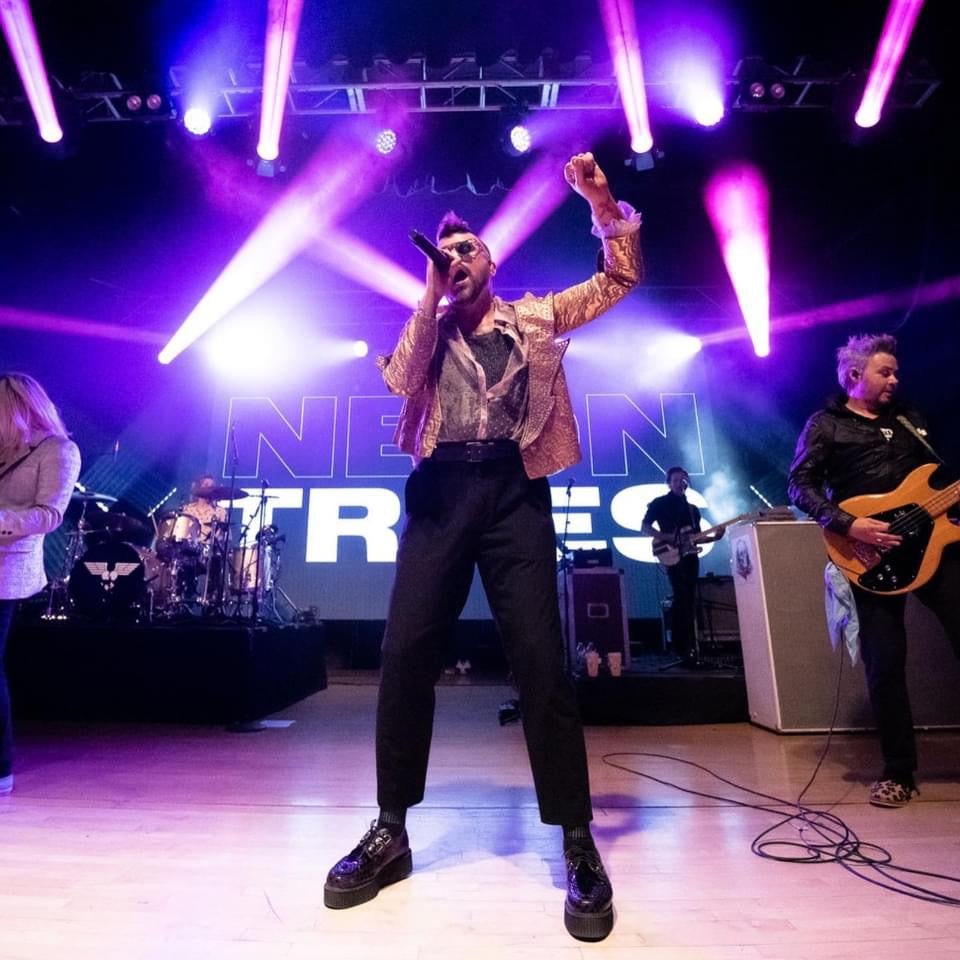
 “My good friend Myles Mangino learned what Neon Trees was looking for, and recommended me,” said Easterbrook. “We haven’t looked back since. It’s been a blast for me, doing about a show with them a month, all of them one-offs. I have a very busy schedule outside this band, so it’s really convenient taking my MQ80 as carry-on and doing my preprogramming on the plane, in a hotel room, or bar.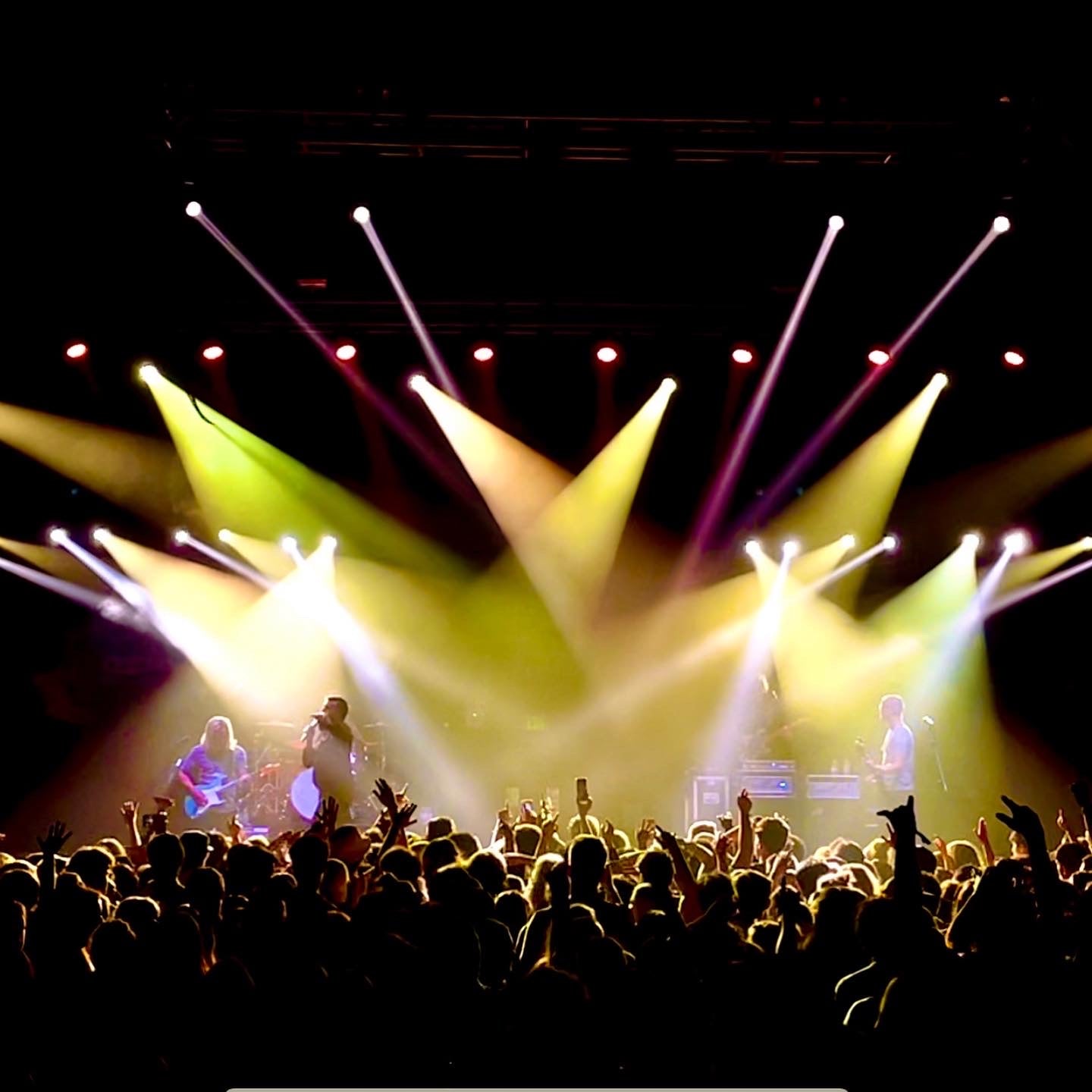


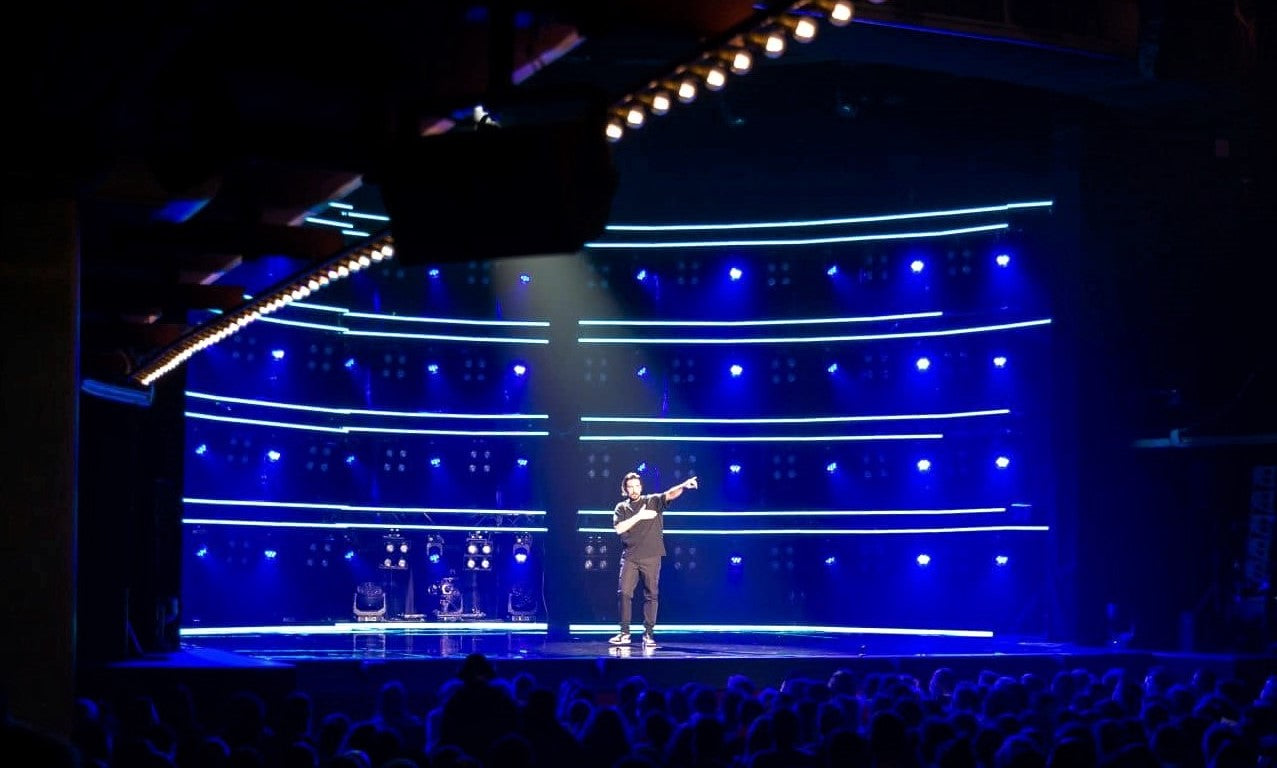

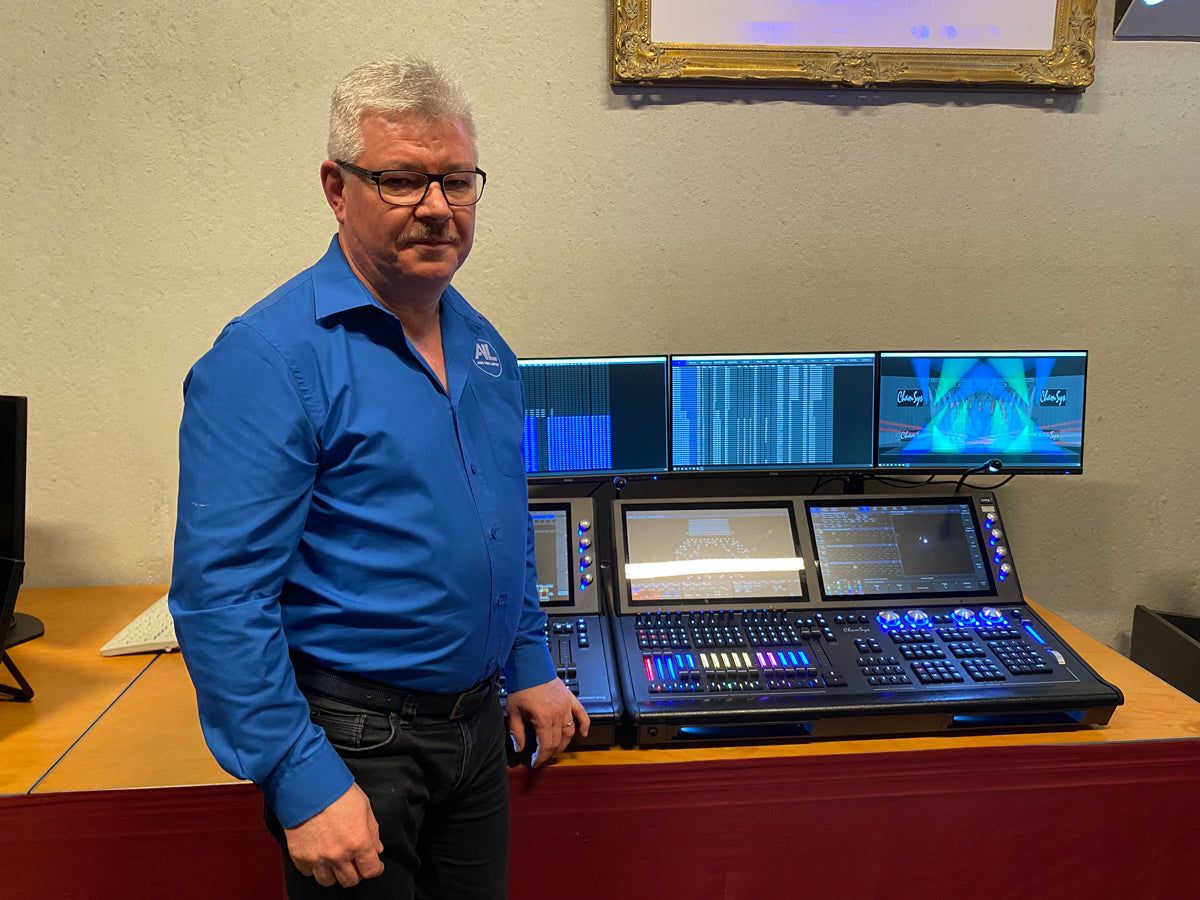
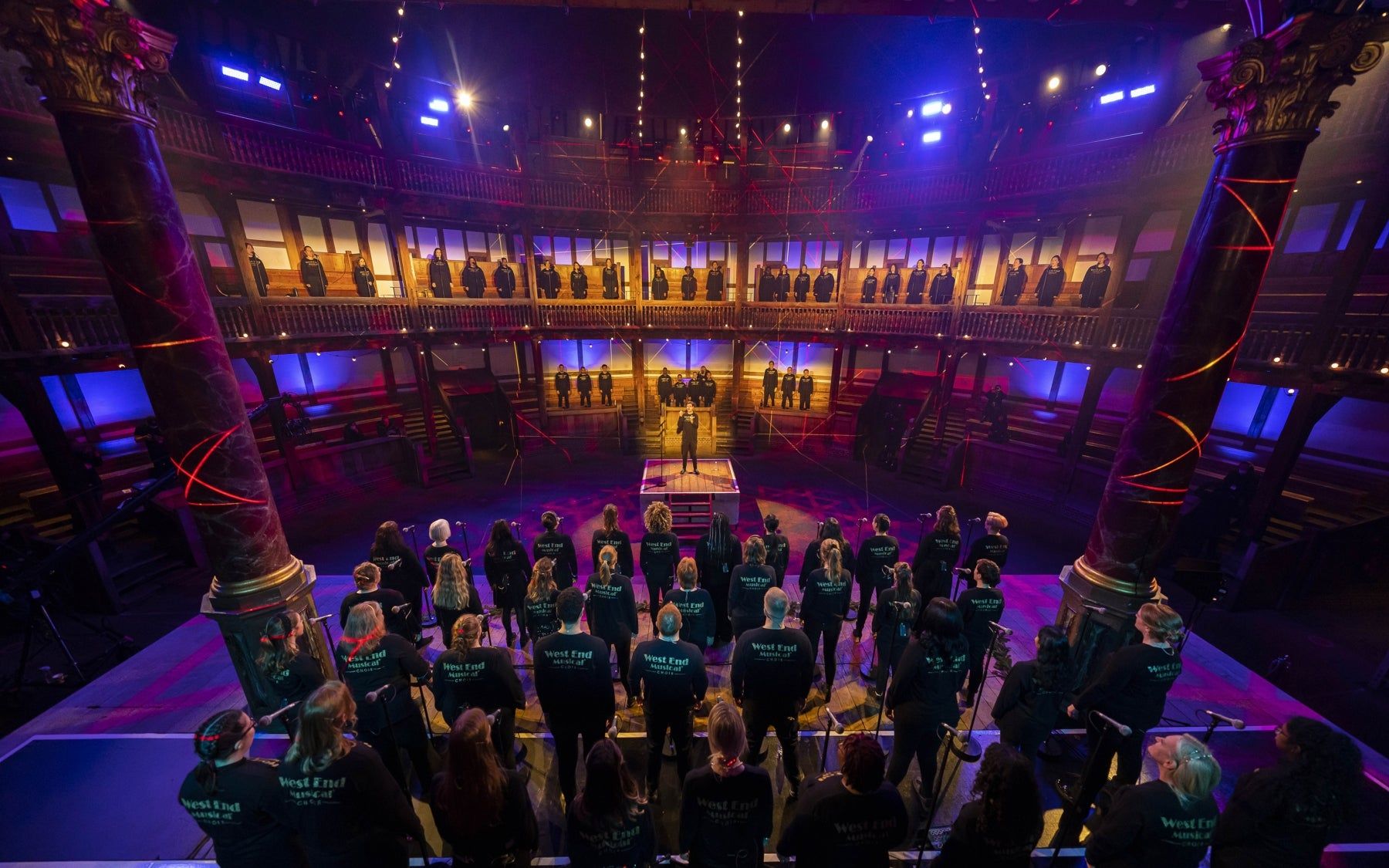
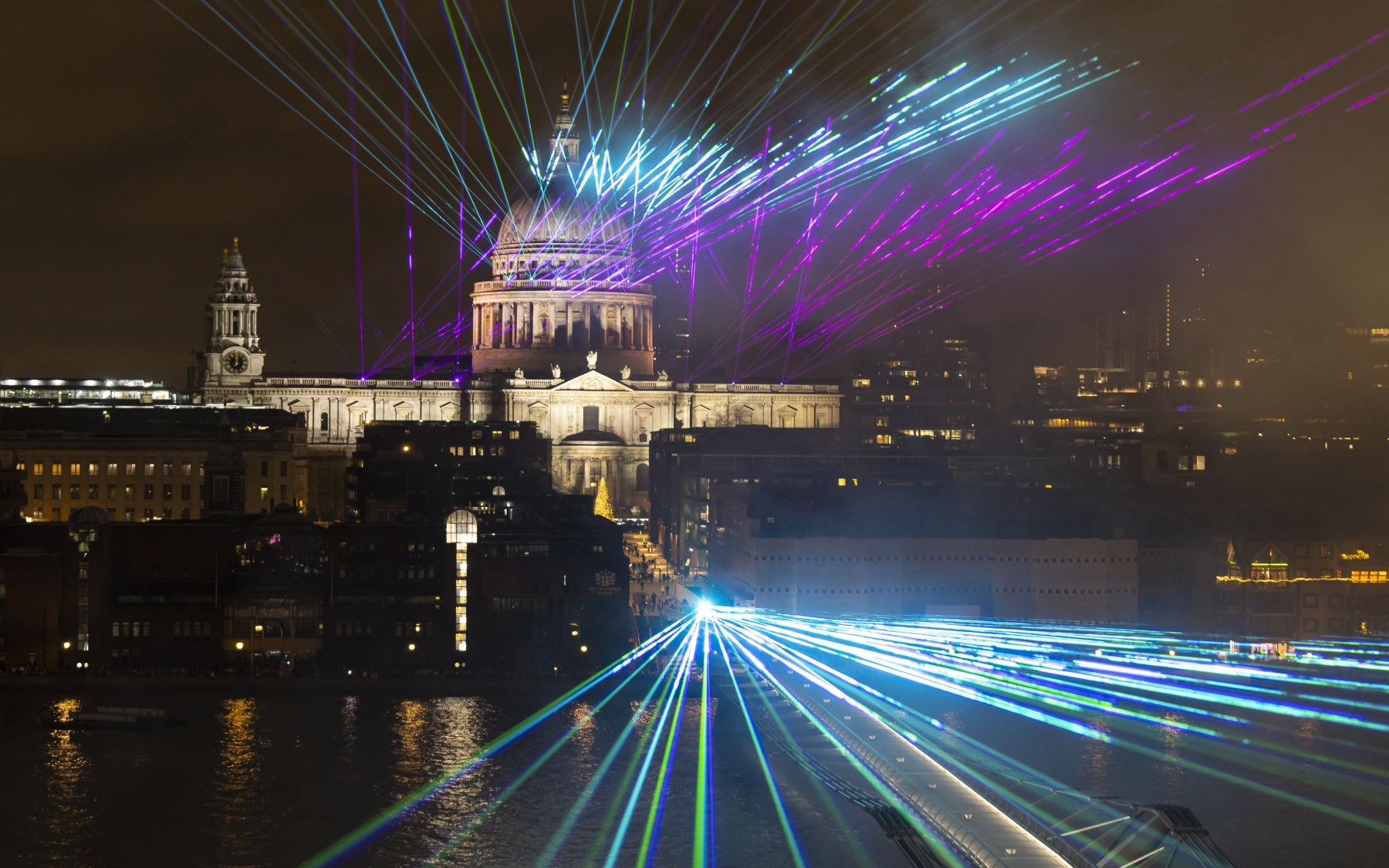

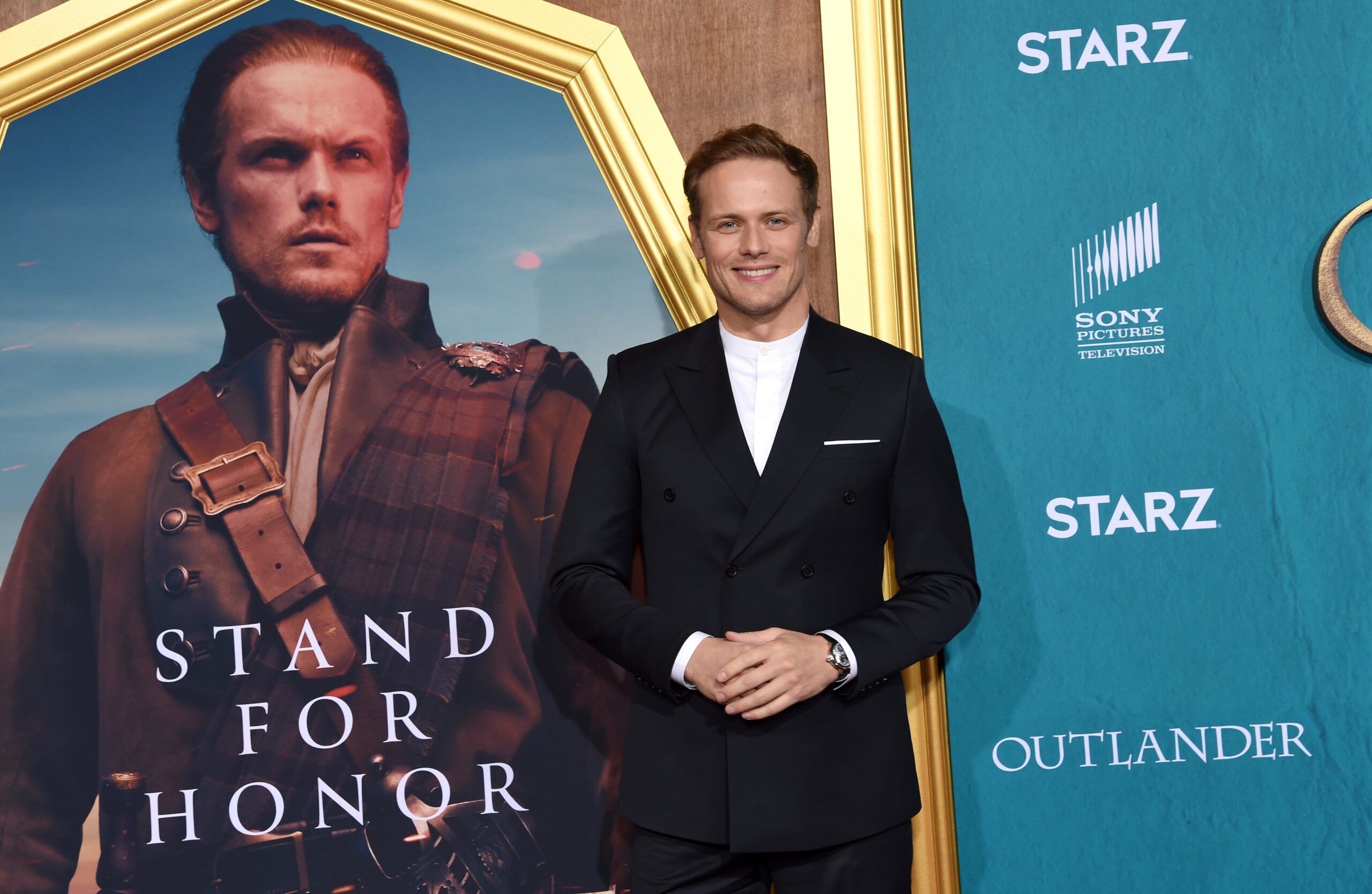
 Towler, of Nineteen Sixtyone Ltd., began working on Outlander when it debuted in 2013 at the invitation of its HOD Gaffer Scott Napier, and has been with the program for all six seasons since. In that time, the show has made a major transition from tungsten and HMI heavy lighting into a rig consisting mostly of LED fixtures.
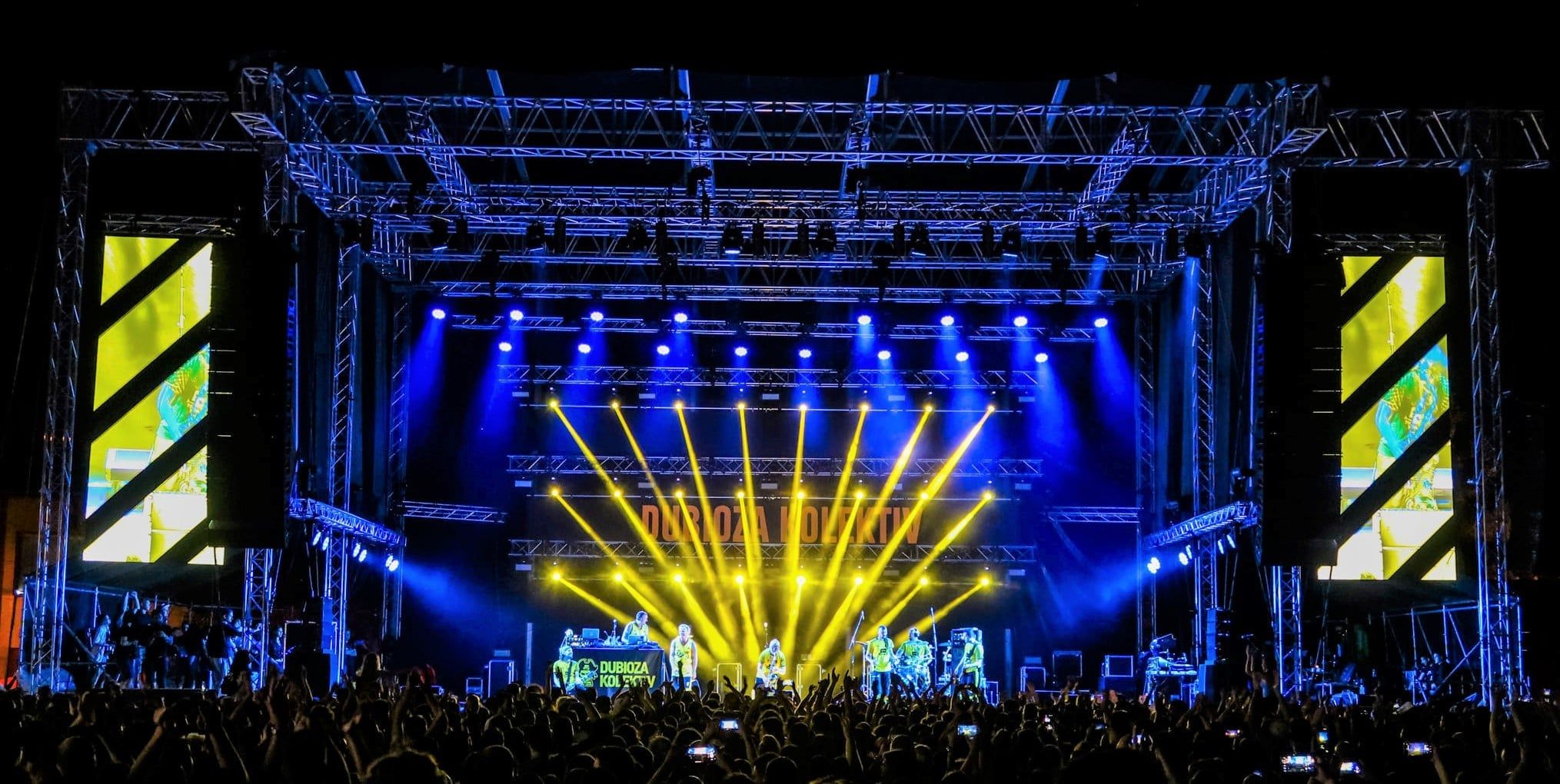
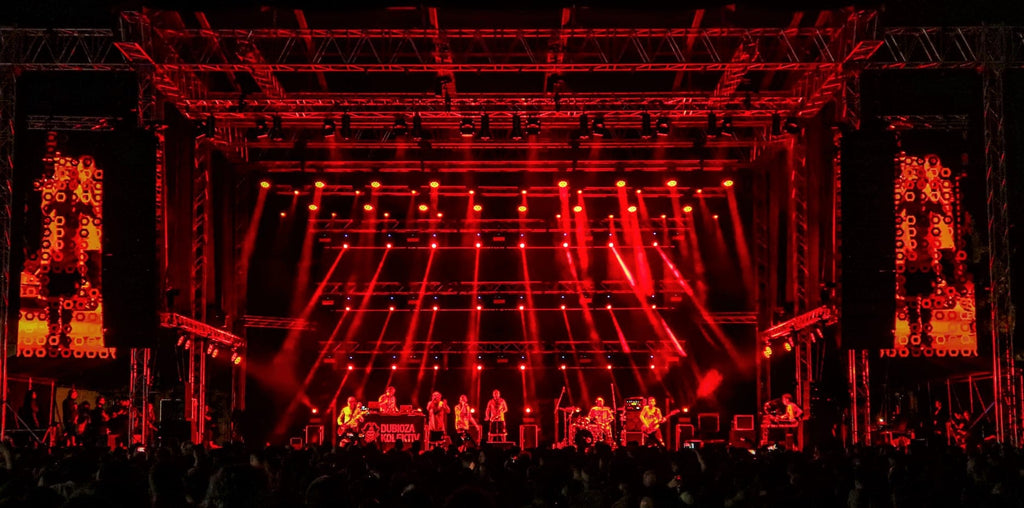 For the Arsenal Festival, Birsa called on his
 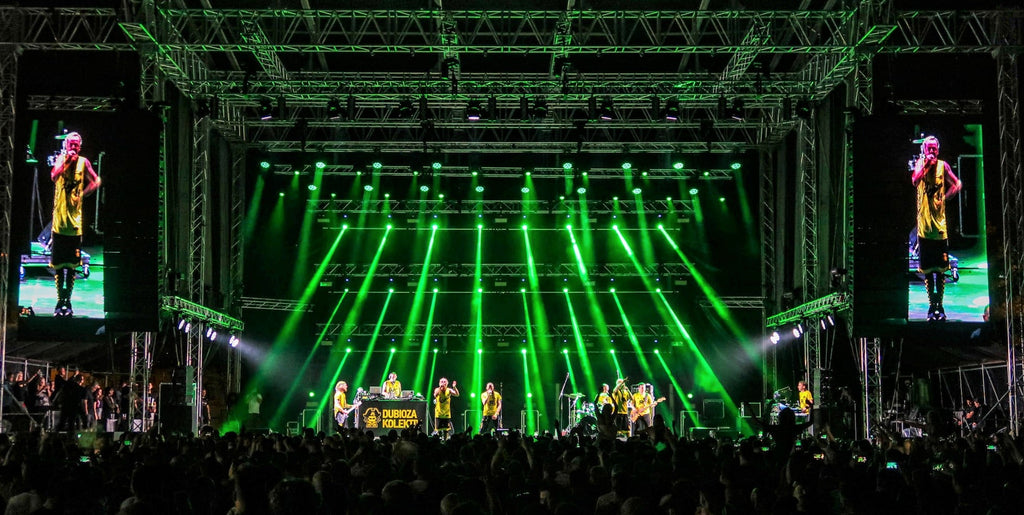 Given the complexities of his Dubioza Kolektiv show, Birsa said time coding was essential to his plans. “I could not have done things quite this way without timecoding,” he said. “The show would have to be built with much less to it if I had to run everything 100-percent manually. Happily for me, the MQ80 does a great job receiving timecode.”

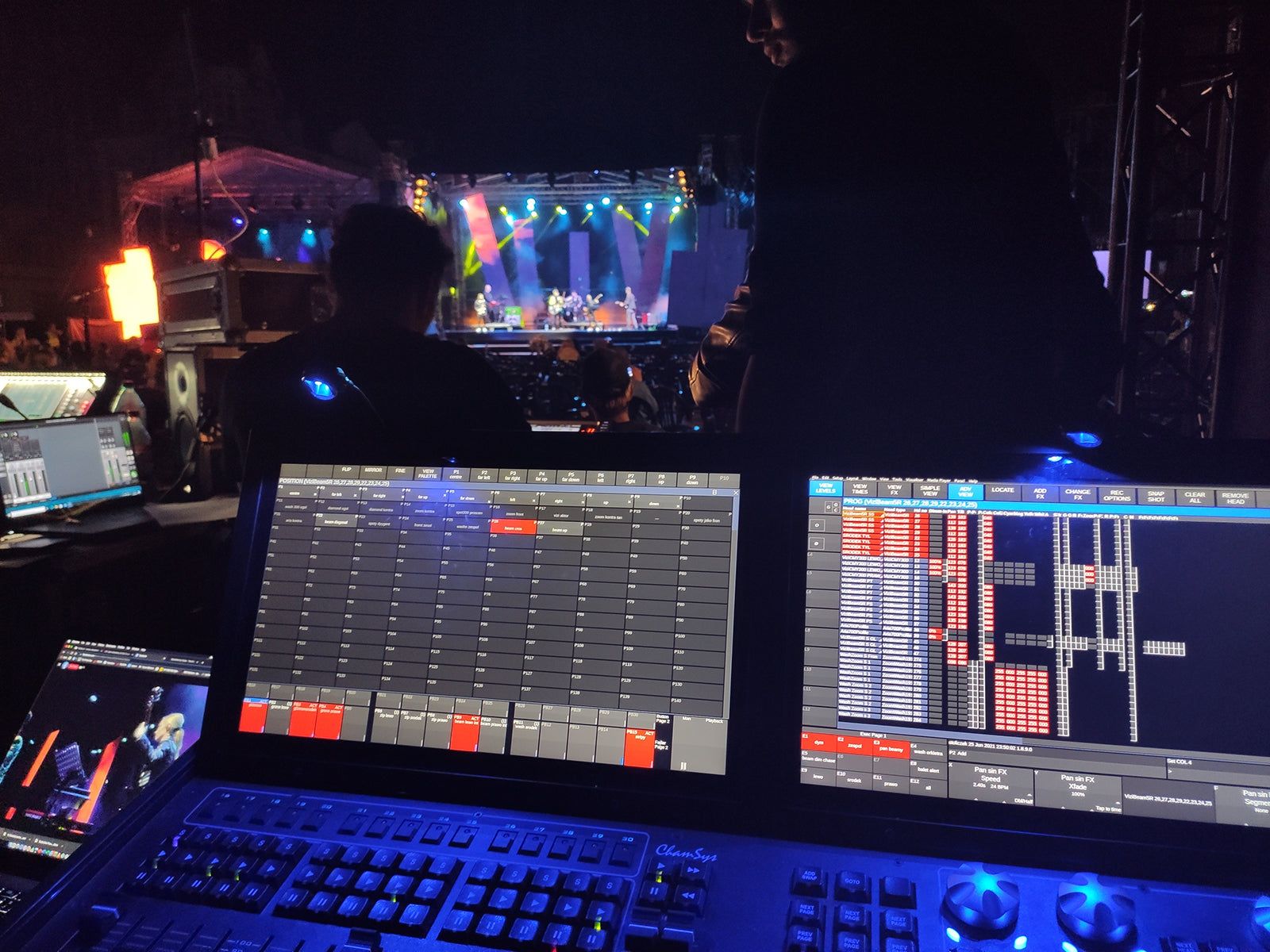
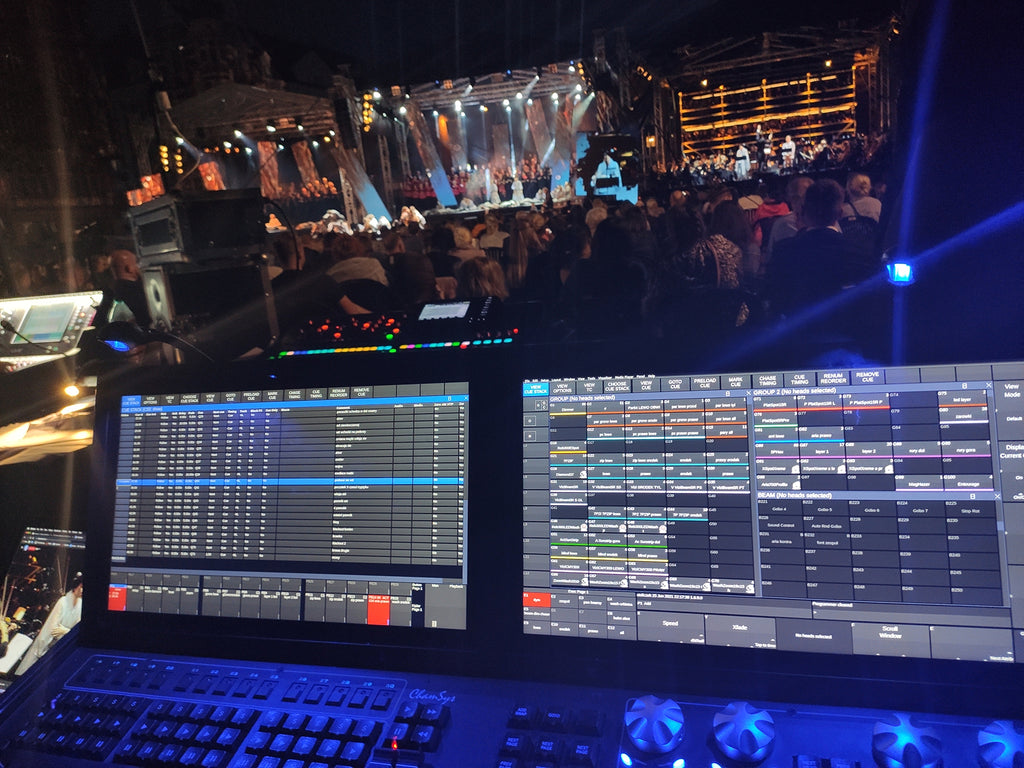 Despite this issue, Hyra was able to create a captivating lighting design that engrossed the large crowd gathered in Byton’s historic Market Square as well as those watching the livestream of one of the most important events in Poland. Dynamic and deftly executed, his smooth color changes and seamless transitions flowed naturally with the traditional Polish folk dancers on stage. Later in the evening, when the initial performers were replaced by a rock band, he created a tour-like show.
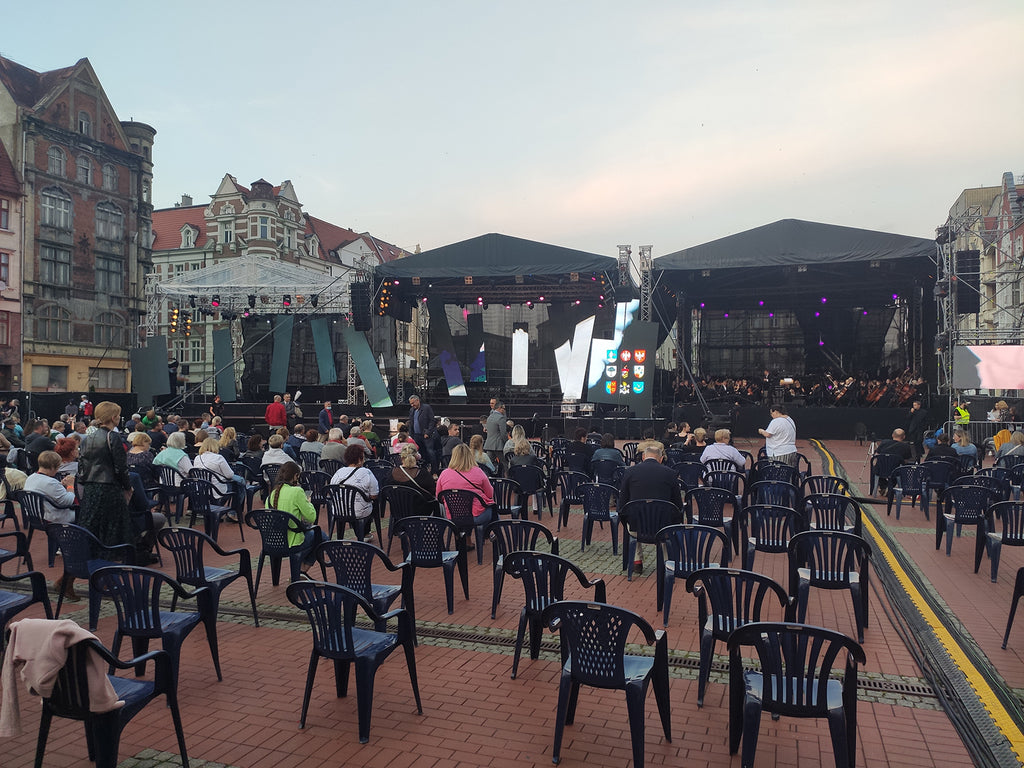 Hyra credits his console’s “easy on the fly cue editing,” with helping him adapt. He notes that thanks to this capability he was able to change looks quickly to reflect the vision of his director. The user-friendly intuitive interface of the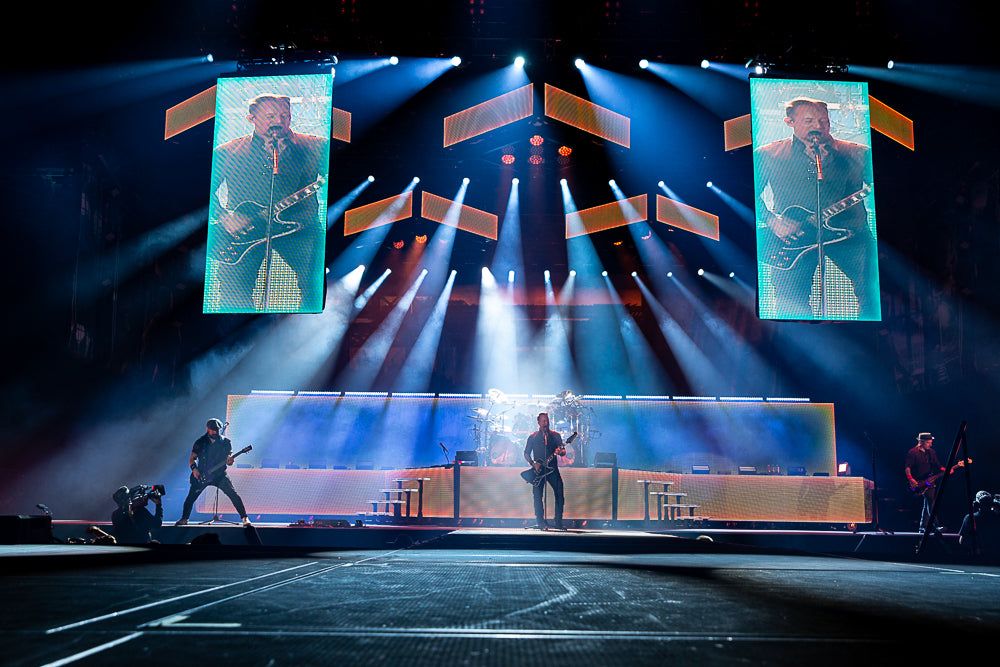
 Building on the energy of the band’s performance and driving the intensity level ever higher was a 40-universe Niller Bjerregaard light and video show powered by the designer’s two
 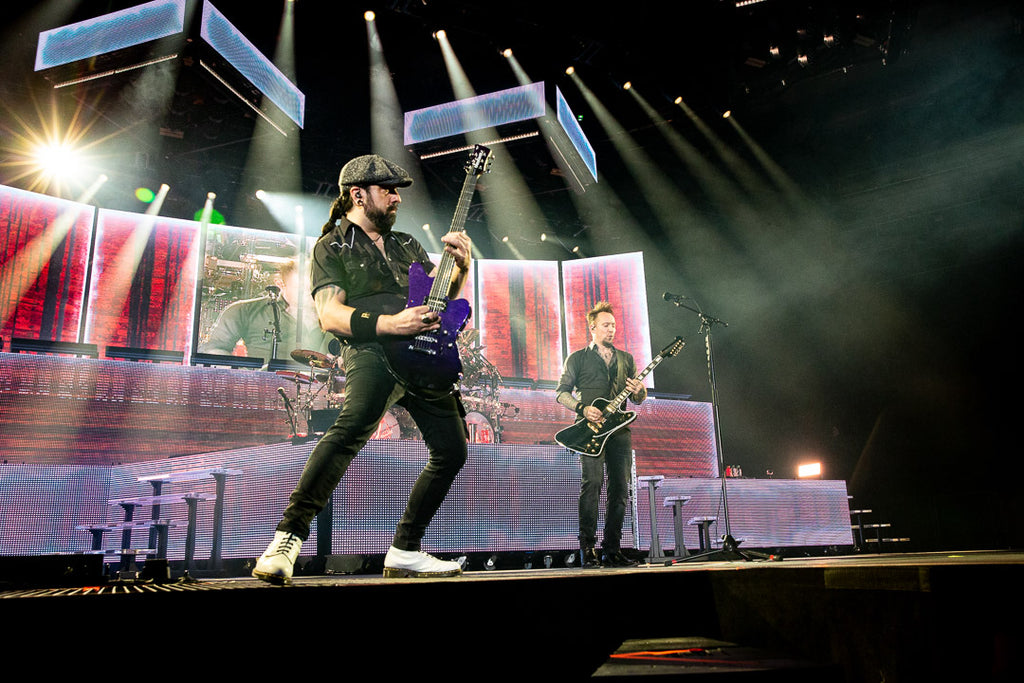 “The broadcast was as original as it gets,” said Bjerregaard. “All elements and features were as they happened that night and nothing was added or changed to enhance the viewer experience. The Stuttgart recordings were part of numerous recordings on that tour, but no elements were used from other shows, so what fans saw was exactly what happened. This video is a close as possible to that night, which is pretty cool.”
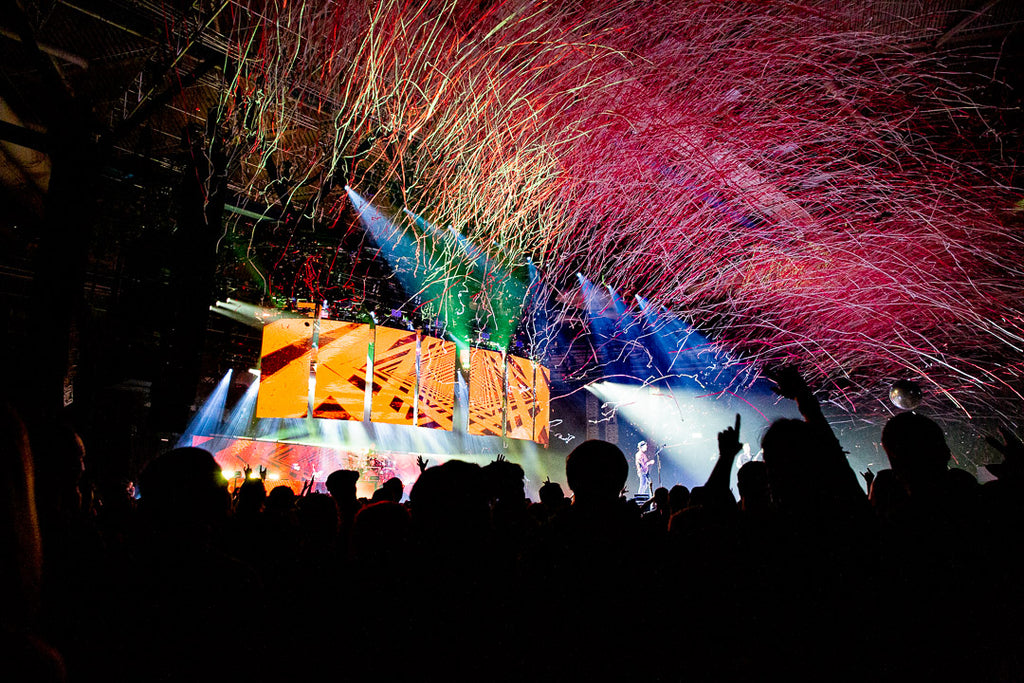 Bjerregaard used the M-Box Media Server. “Michael Austin Smalley, a renowned Light/Media Designer from Las Vegas and great friend, helped me in setting up,” said Bjerregaard. “My MQ500 controlled the media server with special designed video content, including movie clips with matching sound effects through the PA, as well as all camera live feeds.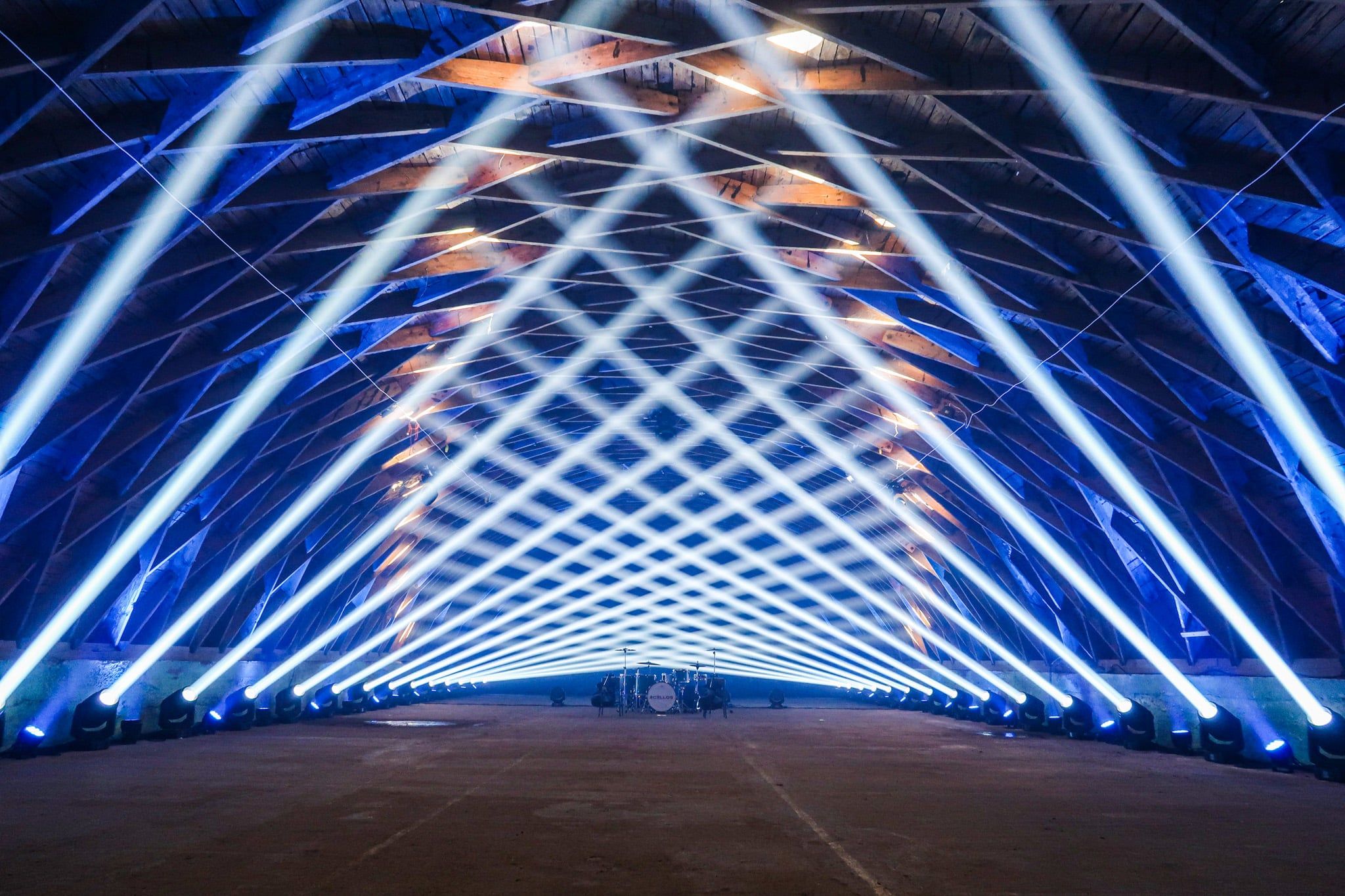
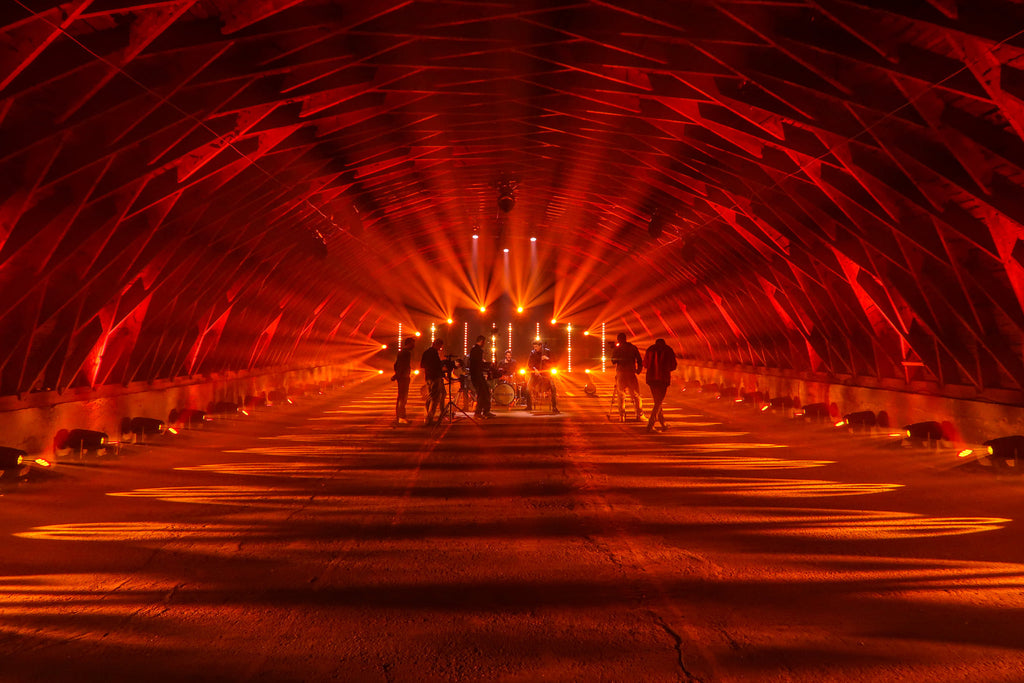 Their bows feverishly jumping off the strings of their instruments, Luka Šulić and Stjepan Hauser, the Croatian cellists who make up the group, mange to push the oft-played rock classic to new levels of intensity. Reflecting the driving force of their performance visually throughout the 4 minute and 21 second video is a dynamic and intricately layered light show by Crt Birsa of Slovenia-based Blackout Lighting Design.
  “I didn’t want to go multicolor,” he said. “Basic palettes were the most well-suited for this venue. Patterns and movement were what I relied on to visualize the music in a way that stood out.
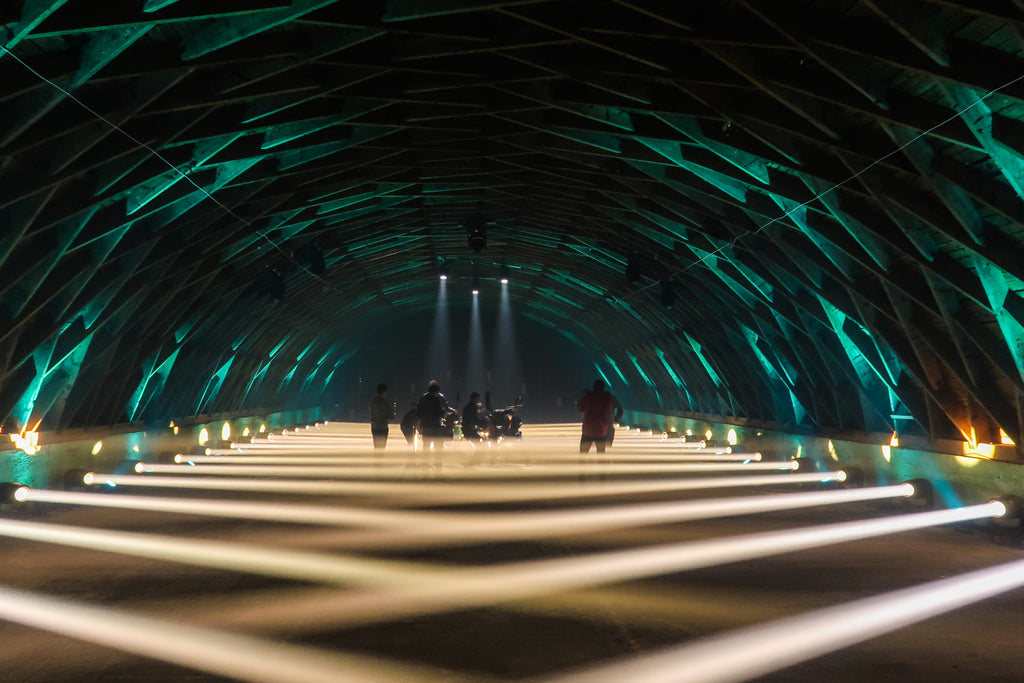 Birsa notes that the Time Code and Cue Editing features his
  “The MQ80 is a compact unit, but its powerful enough for elaborate jobs, and it’s a straight forward console to run,” he said. “For me, it’s the perfect console to take it on the field when I have a pre-programmed show and all I have to do is make some corrections. It also has UPS inside, which is most useful when you run the whole system by generator. If it runs out of fuel or something else happens, you have the chance to save the show and shut down securely. Really, this console has never let me down.”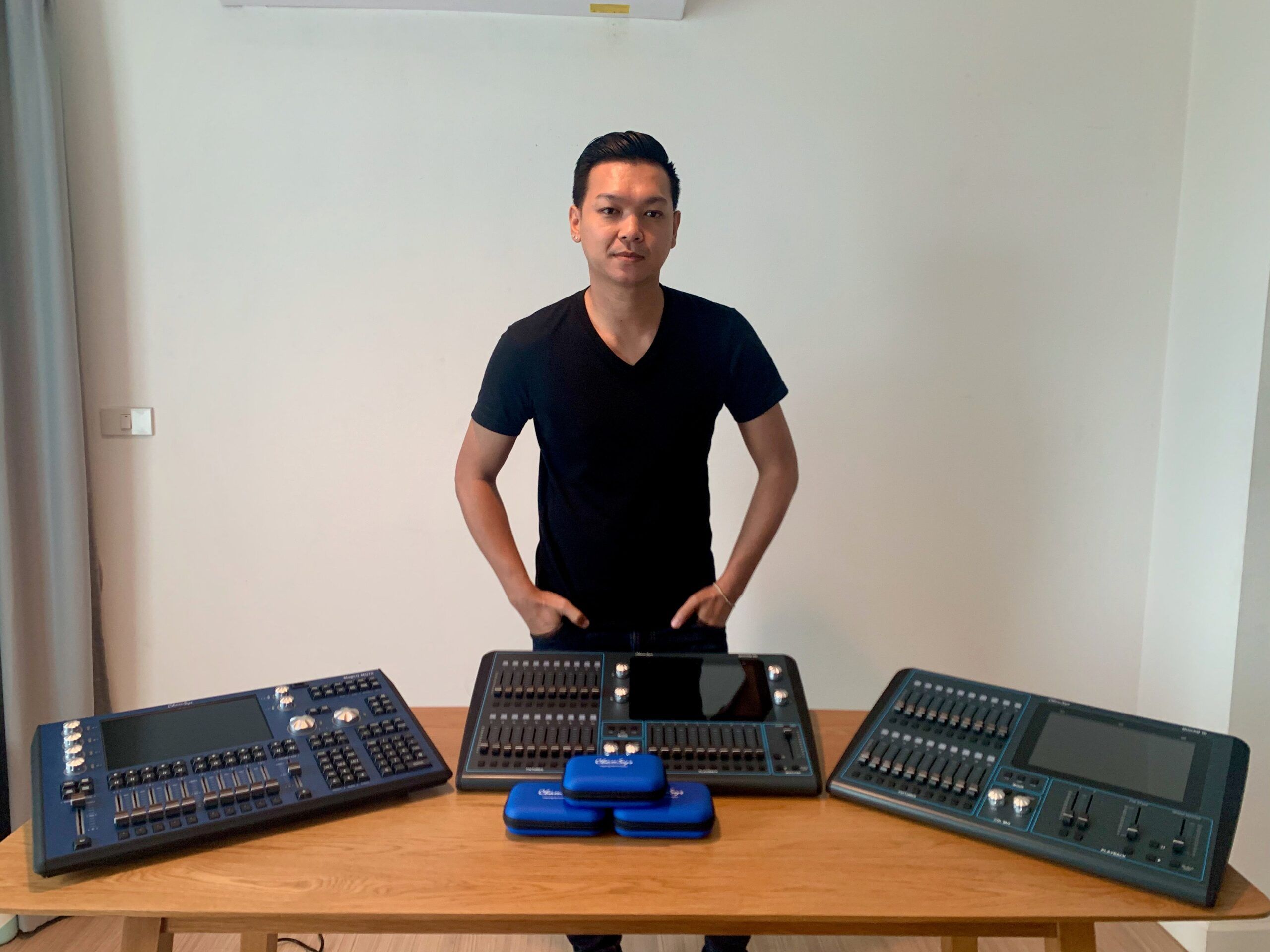
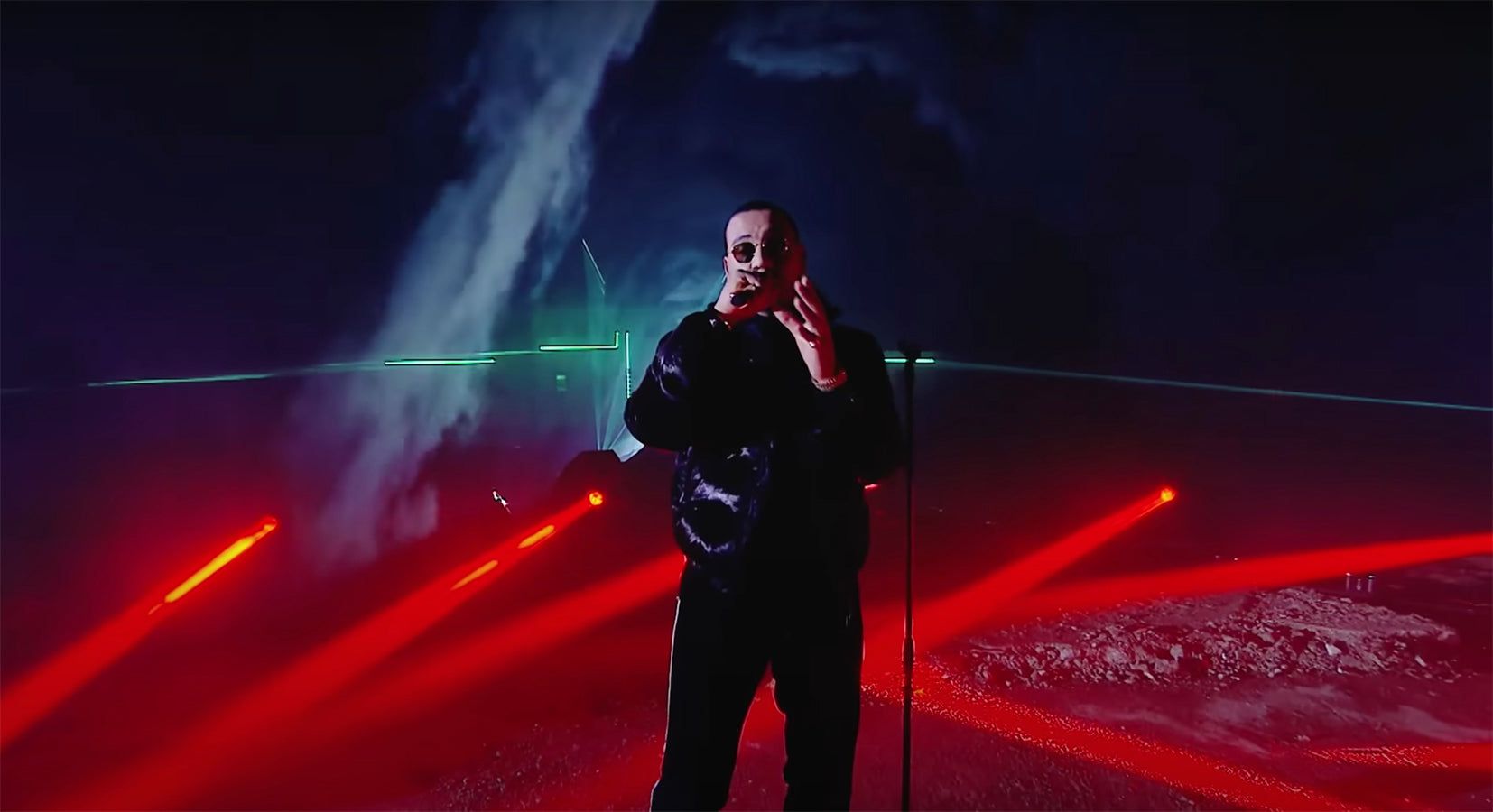
 Drawing on the brooding aura of its physical setting, Babenhausen Kasserne, an abandoned and desolate former military base that was built 120 years ago, the video evokes a haunting air of mystery. This quality is accentuated by Adrian Schmidt’s riveting lighting design that he powered with his ChamSys
 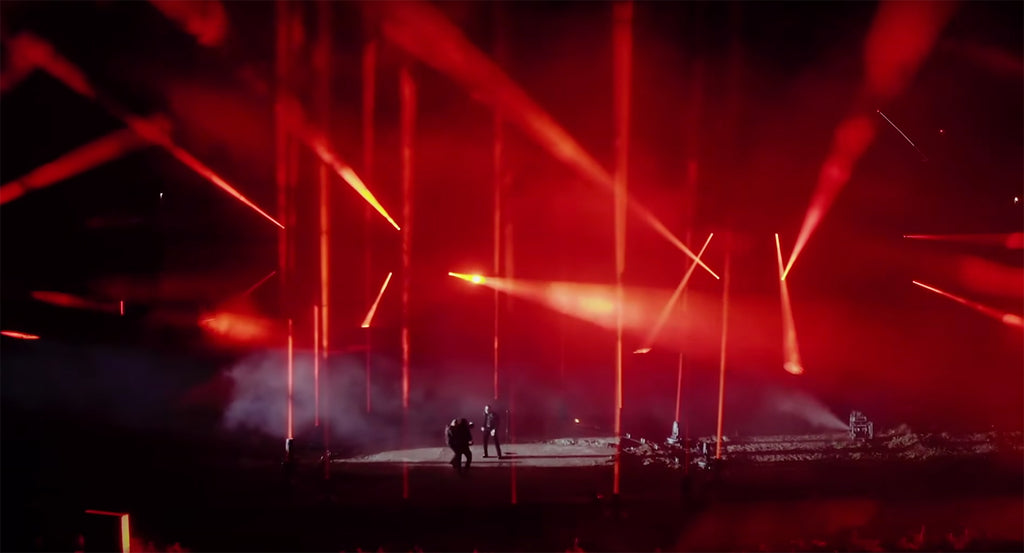 Throughout the video, Schmidt creates wave after wave of lighting intensity that includes towering aerial effects, brilliant white flashes, and cascading “waterfalls” of light. Helping him navigate his way through this vortex of looks was his trusty console.
  “All the features of the ChamSys helped me in this project, as we had limited infrastructure, a huge (113m x 85m) area, and long cables for data transmission via ArtNet,” said Schmidt. “We also had very little time for setting everything up, as the sun went down at 5 pm. My console performed flawlessly through it all.”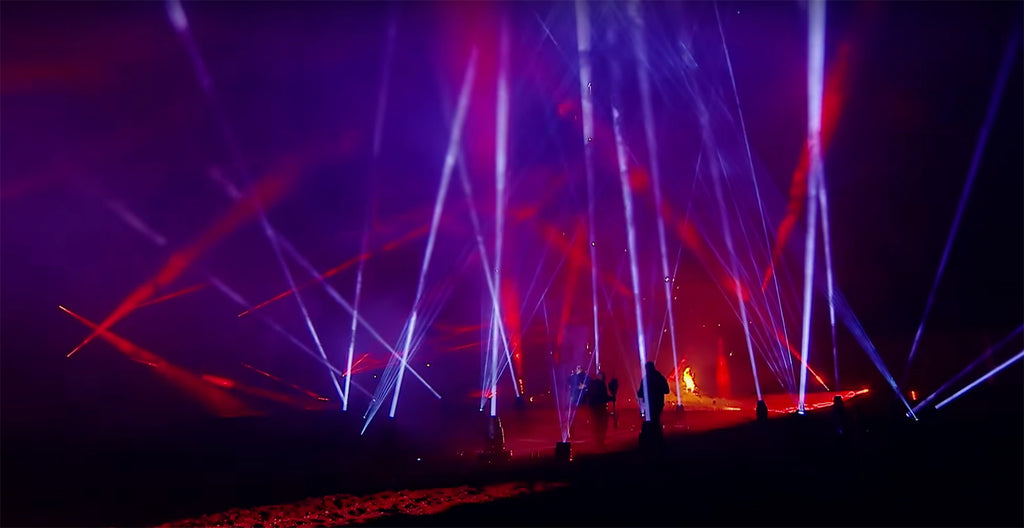


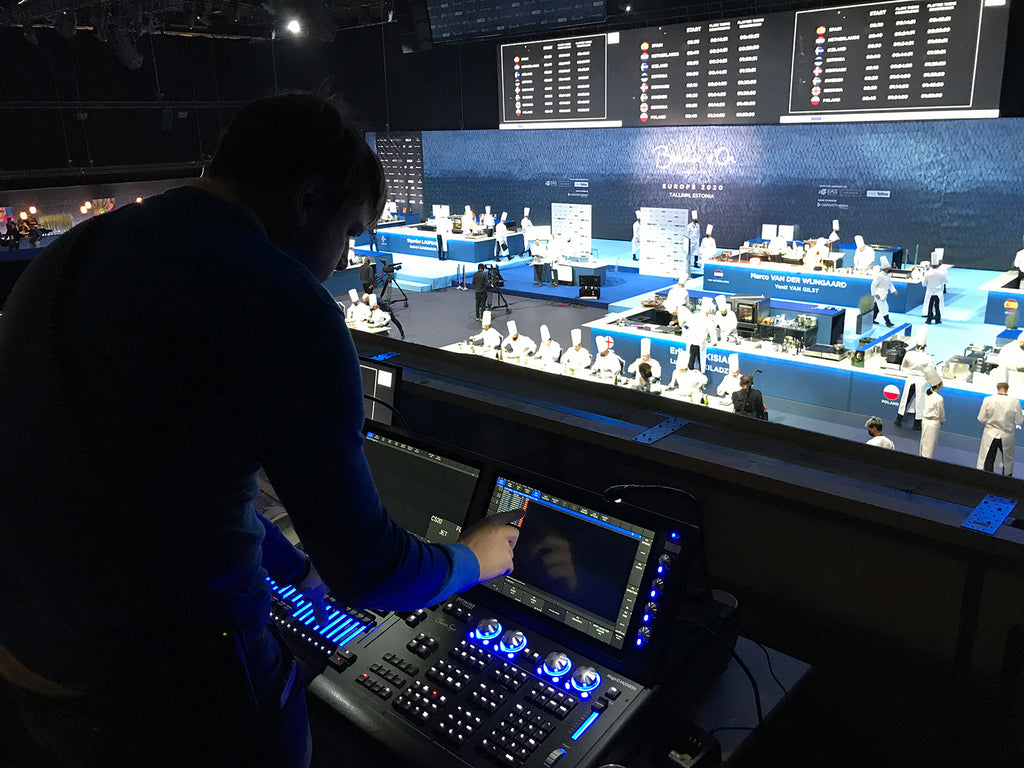
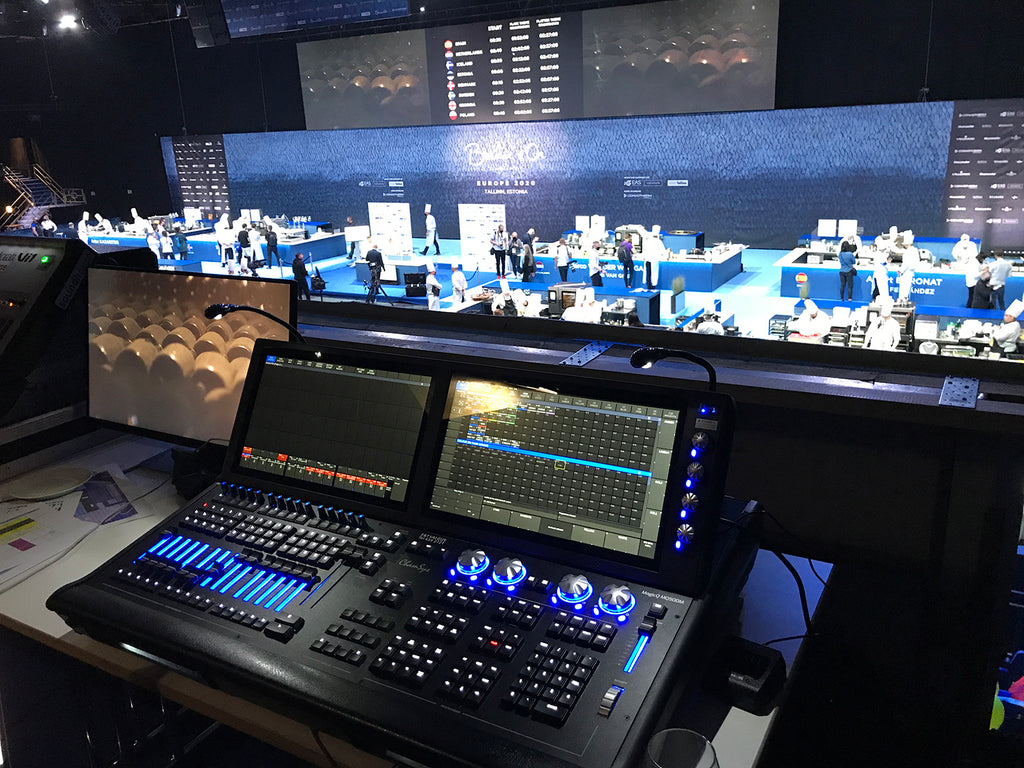 As the top chefs and their assistants met in secret that morning,
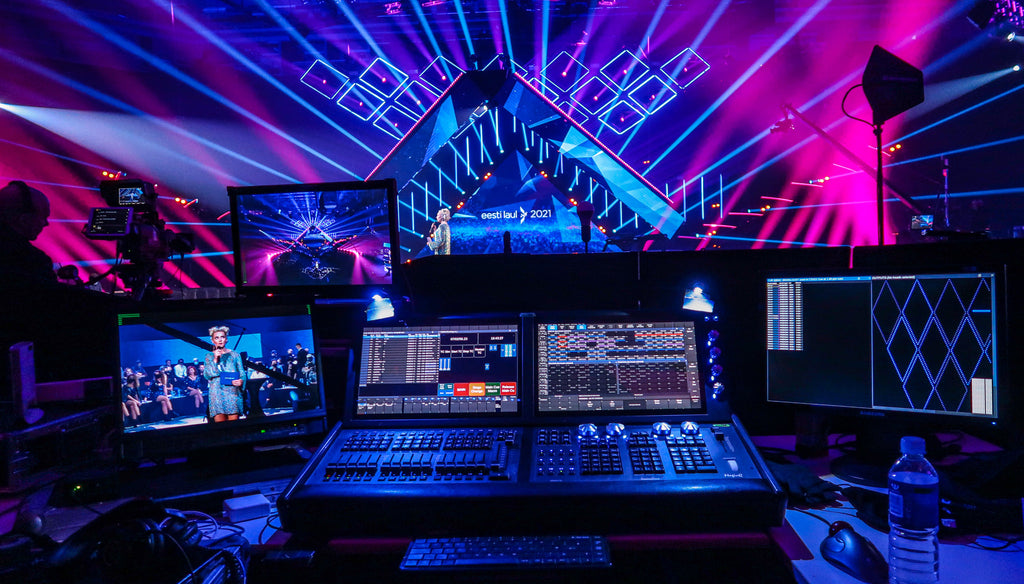
 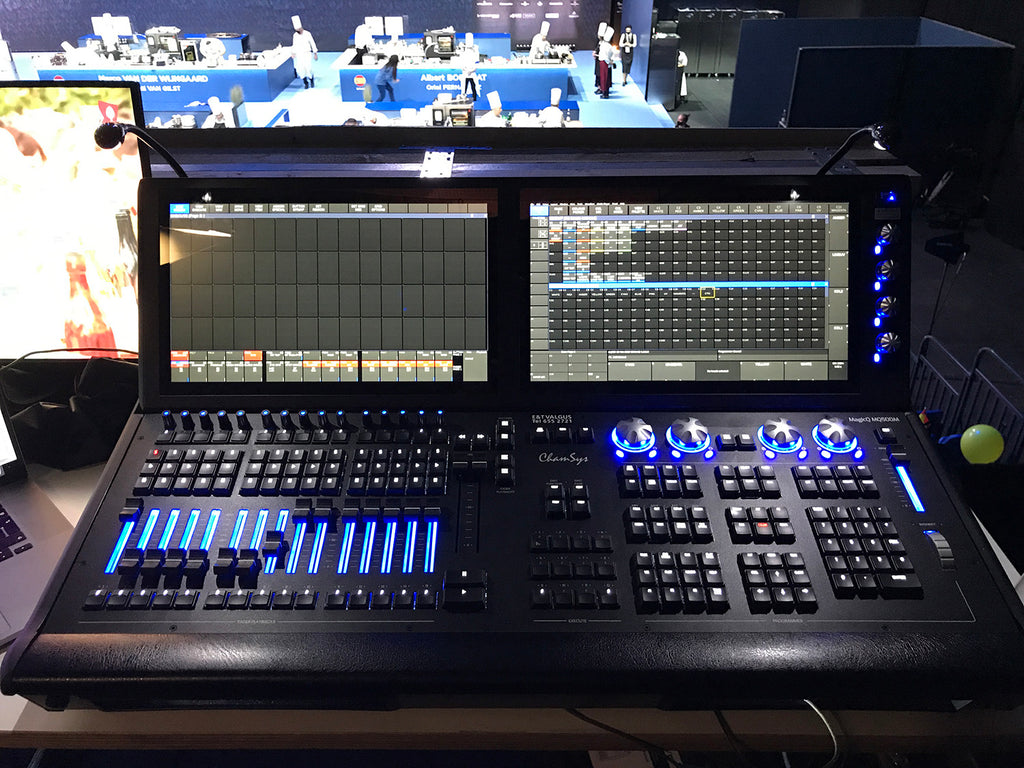 A ChamSys user for ten years, Luhaäär only recently moved up to the MQ500M. He found the transition seamless. “I had used this console a few times before, so I was familiar with it,” he said. “The